January 19, 2026
Maintaining your HVAC unit between professional tune-ups is crucial for prolonging its lifespan, ensuring efficient operation, and preventing costly repairs. In this article, we will look into six essential tips that can help you care for your HVAC system effectively. While professional maintenance is important, taking proactive measures can significantly boost your system’s performance. Homeowners often overlook simple maintenance tasks, leading to system failures and inefficiencies. By integrating these tasks into your routine, you can enjoy not only a functional HVAC unit but also reduced energy bills and improved air quality.
1. Regularly Replace Air Filters
Understanding the Importance of Clean Air Filters
Clean air filters are the first line of defense for maintaining your HVAC unit's efficiency. By trapping dust, pollen, and other airborne particles, air filters prevent these contaminants from circulating in your home's air. A clogged air filter imposes stress on the HVAC system by forcing it to work harder to move air, which can lead to increased energy consumption and wear on the system. This Old House suggests replacing air filters every one to three months to maintain optimal air quality and system performance. Regular replacement ensures that your system breathes freely and operates at peak efficiency.
How Often Should You Change Air Filters?
Determining the frequency for changing air filters depends on several factors, including the type of filter, household pets, and the indoor environment. If you or your family members suffer from allergies or if you have pets, you might need to replace your filters more frequently, perhaps monthly. Conversely, in less polluted zones or for homes without pets, filters can be changed every two to three months. Following the guidance from industry experts such as This Old House ensures that your HVAC unit remains efficient. Regular checks and knowledge of your filter type contribute to optimal filter replacement intervals, preventing decreases in performance caused by clogged filters.
Selecting the Right Filter for Your HVAC System
Choosing the right air filter is crucial, as the efficiency of your HVAC system largely depends on the filter’s compatibility. Filters are rated based on their Minimum Efficiency Reporting Value (MERV), indicating their ability to trap particles. A higher MERV rating means better filtering but also potentially reduced airflow if the system isn't equipped to handle it. It’s important to strike a balance between filtration efficiency and airflow, often consulting with HVAC professionals. Opting for the right filter ensures the system works optimally without straining the blower motor.
Step-by-Step Guide to Replacing Air Filters
The replacement of air filters is a straightforward process that can be performed by most homeowners. Begin by switching off the HVAC unit to ensure safety during the replacement process. Locate the filter compartment, often found near the blower in the furnace or air conditioning unit. Remove the old filter by carefully sliding it out, making note of the direction of the airflow arrows for correct insertion of the new filter. Insert the new filter, ensuring it’s aligned properly with the airflow arrows pointing toward the unit, then restart the HVAC system to check that it operates smoothly.
Signs Your Air Filter Needs Immediate Replacement
Recognizing when an air filter needs changing is vital to preventing decreased air quality and HVAC strain. One of the most obvious signs is reduced airflow through the vents, indicating that the filter is clogged. Additionally, if there's a noticeable increase in dust around your home, it might be time for a filter change. An uptick in allergy symptoms in household members also signals that the air filter’s efficiency in trapping allergens has diminished. Regularly checking and observing these signs can preemptively combat potential HVAC issues stemming from dirty air filters.
2. Clean and Maintain Ductwork
The Role of Ductwork in HVAC Efficiency
Ductwork serves as the passage through which air travels from the HVAC system to different parts of your home. Clean and well-maintained ductwork is crucial for maintaining high air quality and ensuring that the system operates at peak efficiency. Ducts that are clogged with dust and debris can significantly reduce airflow, causing the HVAC system to overwork and increasing energy costs. By ensuring that your ductwork remains clean, you can improve air distribution and system efficiency. Proper ductwork maintenance involves regular inspections and the removal of obstacles that can impede efficient airflow.
Identifying Signs of Dirty Ducts
Dirty ducts can lead to a series of problems, including health issues and increased energy consumption. One of the telltale signs of dirty ducts is an unusual increase in dust levels throughout your home. Additionally, signs such as musty odors coming from the vents or visibly clogged air return grates can indicate dirty ductwork. If your HVAC system experiences frequent clogging or inefficiencies, the ductwork may need attention. Regular vigilance and awareness of these signs can facilitate timely maintenance, keeping the system in top shape.
DIY Duct Cleaning Tips
While professional cleaning services offer thorough duct cleaning, homeowners can also perform basic cleaning tasks to maintain ducts between professional services. Start by removing and cleaning the vent covers in warm, soapy water to eliminate dust and grime. Use a high-powered vacuum to clean as far as you can reach inside the ducts, focusing on the areas near the air return grille. A long-handled brush can also be used to dislodge dust stuck inside the ducts. DIY cleaning helps in maintaining a clean airflow path, contributing to the overall efficiency of the HVAC system.
When to Call Professionals for Duct Maintenance
While DIY cleaning can manage surface issues, certain situations call for professional duct maintenance. If you've recently undergone major renovations or if there's evidence of mold growth in the ducts, it’s best to contact a professional. An increase in utility bills without an increase in usage can indicate hidden issues within ductwork requiring expert intervention. Professionals possess specialized equipment and expertise to ensure comprehensive cleaning and maintenance. Scheduling regular professional inspections and optionally cleaning as needed maintains the integrity and efficiency of the duct network.
Benefits of Regular Ductwork Maintenance
Regular maintenance of your ductwork comes with numerous benefits, such as improved air quality and enhanced HVAC efficiency. Clean ducts ensure that air flows freely and efficiently, reducing the burden on the HVAC system and lowering energy costs. Moreover, the removal of dust and debris prevents these particles from circulating in your living space, leading to a healthier home environment. Regularly maintained ducts also prolong the life of your HVAC system by reducing wear and tear often caused by blockages. Ultimately, investing in duct maintenance is a prudent decision that ensures comfort and efficiency in your home.
3. Keep the Outdoor Unit Clean
Importance of a Clean Outdoor Unit
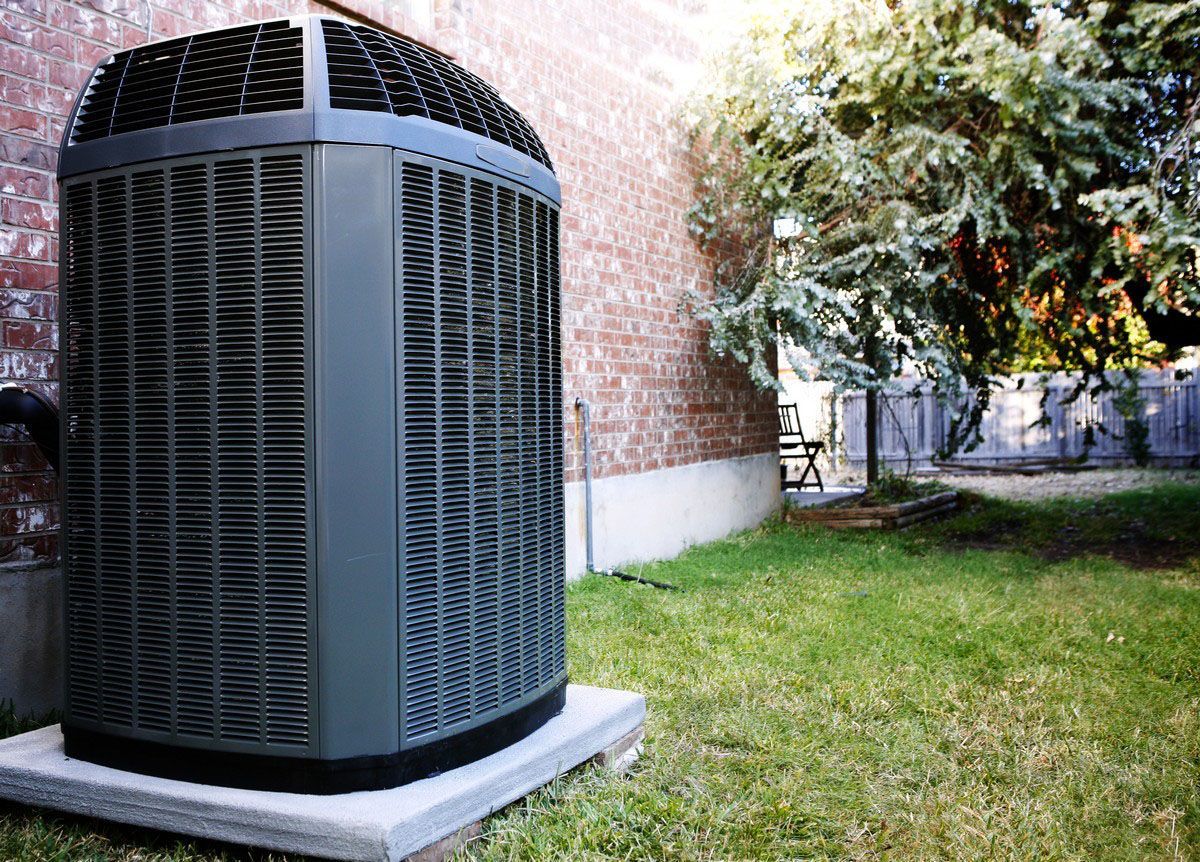
Cleaning the outdoor unit of your HVAC system is crucial as it plays a significant role in heat exchange processes. A clean outdoor unit allows for efficient air intake and heat dissipation, crucial for maintaining the system’s efficiency. Debris such as leaves, dirt, and grass can accumulate around the unit, obstructing airflow and causing the system to overheat. Ensuring that the outdoor unit remains clean can prevent decreased efficiency and extended runtime, protecting the system from premature wear. Regular cleaning, especially after the fall season, ensures optimal performance.
Seasonal Cleaning Practices for Outdoor Units
According to This Old House, air filters should be replaced every one to three months to maintain air quality. Cleaning your outdoor unit is a seasonal necessity that maintains optimal HVAC performance throughout the year. Begin your cleaning routine by removing leaves and debris accumulated on and around the unit during the fall. To ensure the outdoor unit functions efficiently during the summer, it’s advisable to clean it early in the spring before frequent usage. Trim any shrubs or plants encroaching on the unit, maintaining a clearance of at least two to three feet for unobstructed airflow. Implementing these seasonal practices can prevent performance issues and prolong the HVAC unit’s lifespan.
By implementing these six tips for maintaining your HVAC unit between professional tune-ups, you can ensure its efficiency and longevity. Be sure to reach out to Superior Boiler today for more information on our professional HVAC contractor!