May 11, 2026
Navigating the complexities of home climate control often requires a blend of professional insight and daily diligence. Homeowners frequently find themselves searching for ways to reduce utility expenses without sacrificing the warmth of their living rooms during winter or the crisp coolness of their bedrooms during summer. The challenge lies in understanding how mechanical systems interact with the building envelope and how small behavioral shifts can lead to substantial financial relief.
One of the most effective ways to approach this task is by listening to the advice of seasoned HVAC contractors who see the inner workings of diverse systems daily. These experts understand that efficiency is not merely about having the newest technology, but about how that technology is maintained and utilized The following tips provide a roadmap for anyone looking to optimize their home environment through proven methods and expert guidance.
1. Optimize Your Thermostat Settings
The most immediate change a resident can make involves the primary interface of their heating and cooling system. Precision in temperature management prevents the machinery from overworking during hours when the house is empty or when occupants are asleep. Small adjustments that go unnoticed by the human body can result in significant cumulative benefits for the household budget.
According to the US Department of Energy, you can save as much as 10% a year on heating and cooling by simply turning your thermostat back 7°-10°F for 8 hours a day from its normal setting. This simple habit allows the system to rest during periods of low demand, reducing the mechanical strain on the compressor and the furnace. It is a strategy often championed by HVAC contractors because it requires zero financial investment while providing immediate results.
Modern programmable units or smart devices can automate this process, ensuring that the temperature returns to a comfortable level just before you arrive home. By aligning the climate control with your actual lifestyle, you eliminate the waste associated with cooling an empty hallway or heating a kitchen that no one is using.
2. Seal Every Visible Air Leak
Even the most powerful furnace will struggle to maintain a comfortable temperature if the warm air is constantly escaping through gaps and cracks. Professionals often point out that a house functions like a living organism; it needs a solid "skin" to keep the internal environment stable. Drafty windows, gaps under doors, and unsealed attic hatches act as siphons that pull energy away from the living space.
- Apply weatherstripping to the frames of exterior doors
- Use caulk to fill small gaps around window casings and baseboards
- Install foam gaskets behind outlet covers on exterior walls
- Ensure the fireplace damper remains closed when not in use
When you invite HVAC contractors to inspect your home, they often look beyond the machine itself to see how the house holds air. By reinforcing the insulation and sealing leaks, you create a thermal barrier that allows the system to reach the desired temperature faster. This reduces the number of cycles the equipment must run, which inherently saves energy and prevents premature wear on sensitive components.
3. Maintain High Airflow Quality
Cleanliness is directly tied to how much energy a system consumes to move air through the house. When dust and debris accumulate on filters or within the cooling coils, the motor must work harder to push the air through the blockage. This increased resistance leads to higher electricity consumption and can eventually cause the system to overheat or fail entirely.
Regularly replacing the air filter is perhaps the most critical task a homeowner can perform independently. Most experts suggest checking the filter every month, especially during seasons of heavy use or in homes with pets. A clogged filter not only hampers efficiency but also degrades the indoor air quality, potentially leading to respiratory discomfort for the residents.
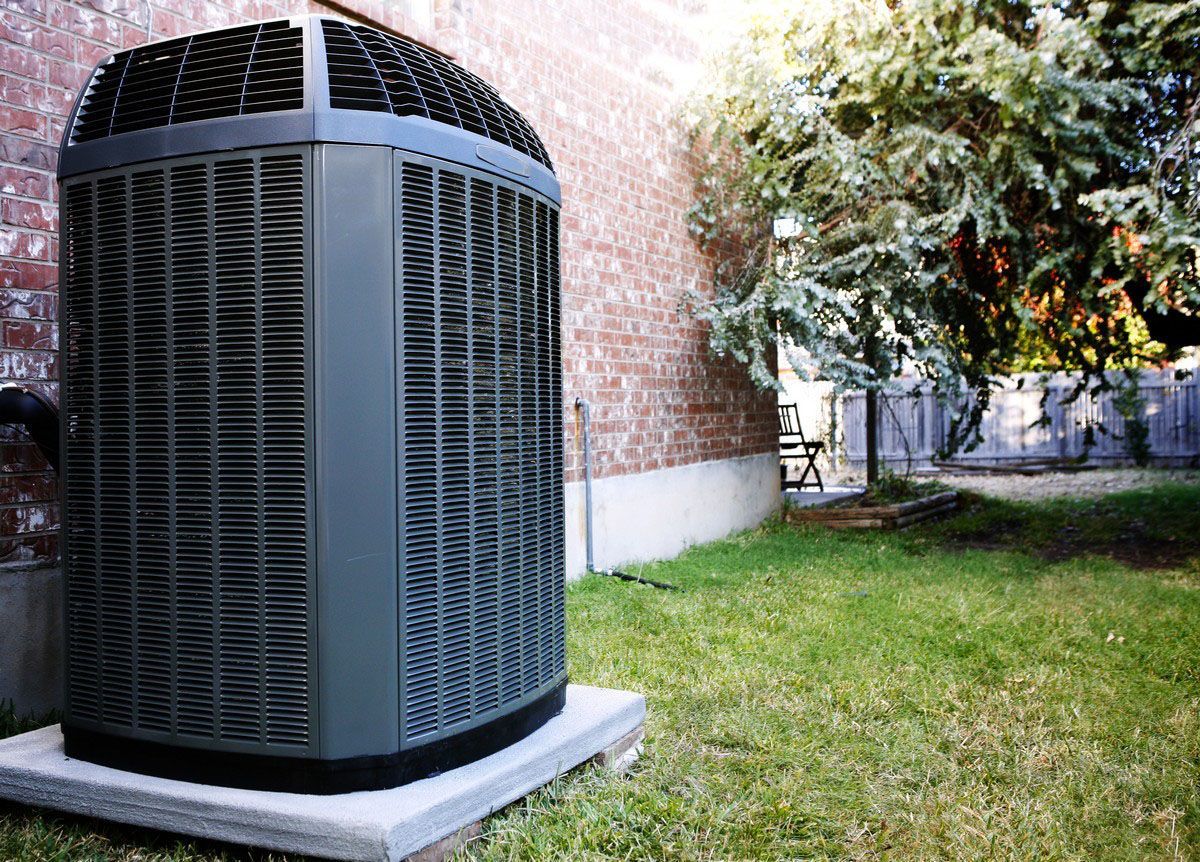
Beyond the filters, it is wise to keep the area around the outdoor condenser unit clear of tall grass, fallen leaves, and decorative shrubbery. These units require a steady flow of outside air to dissipate heat effectively. When HVAC contractors perform seasonal tune-ups, they meticulously clean these coils to ensure the heat exchange process remains as fluid as possible.
4. Schedule Routine Professional Inspections
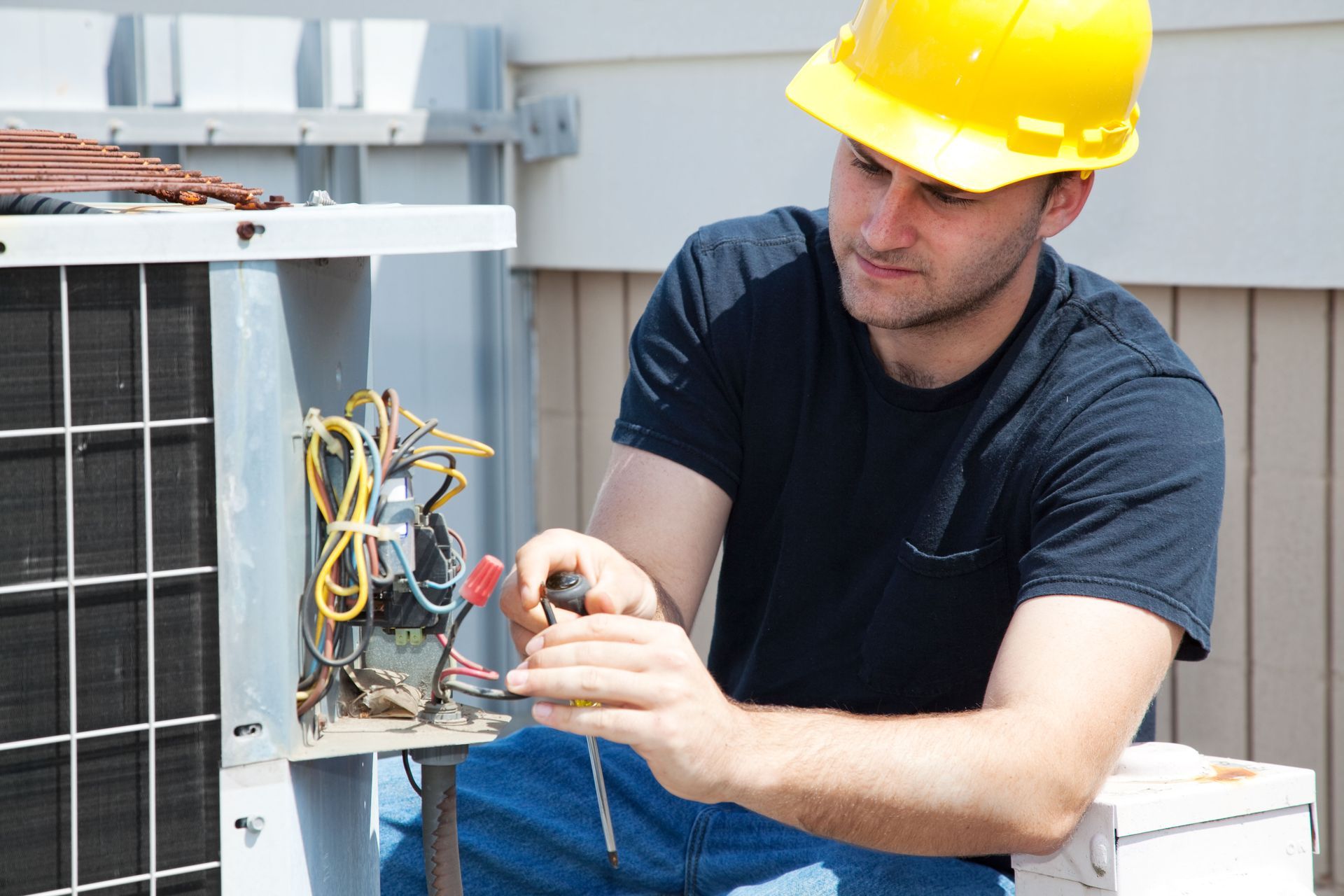
While many aspects of home care can be handled by the owner, certain technical calibrations require specialized tools and knowledge. A professional inspection goes deep into the electrical connections, refrigerant levels, and combustion safety of the equipment. These check-ups are designed to catch minor issues before they transform into catastrophic failures that require expensive emergency repairs.
During a typical visit, a technician will lubricate moving parts to reduce friction and inspect the condensate drain for potential clogs. They also verify that the system is producing the correct amount of airflow and that the thermostat is communicating accurately with the main unit.
Many homeowners realize that the cost of an annual service call is far lower than the cost of a mid-summer breakdown. By establishing a relationship with reliable HVAC contractors, you gain a partner in home maintenance who understands the history of your equipment.
5. Utilize Natural Climate Solutions
Efficiency can also be bolstered by using the environment to your advantage. During the summer months, the sun can heat a room significantly through the glass of the windows. Conversely, during the winter, that same sunlight can be a free source of heat. Learning to manage window coverings and natural ventilation can take a large load off your mechanical systems.
- Close southern-facing curtains during the hottest part of a summer day
- Open windows at night when the outside air is cooler than the indoor air
- Keep blinds open during winter days to harness solar heat gain
- Use ceiling fans to circulate air, allowing you to raise the thermostat setting
Ceiling fans are particularly useful because they create a wind-chill effect on the skin, making a room feel several degrees cooler without actually lowering the air temperature. This allows the air conditioner to run less frequently. Expert HVAC contractors frequently recommend these low-tech supplements because they are inexpensive to operate and highly effective at improving the perceived comfort of a room.
6. Upgrade Your Aging Equipment
There comes a point in the lifespan of every machine where the cost of operation and repair exceeds the value of the unit. Older systems often rely on outdated technology that consumes far more energy than modern, high-efficiency models. If your unit is over a decade old and requires frequent repairs, it may be time to consider a replacement that utilizes the latest in variable-speed motors and advanced refrigerants.
Modern units are designed with strict efficiency ratings in mind, often providing much better humidity control and quieter operation. When selecting a new system, it is vital to have HVAC contractors perform a proper load calculation. This ensures the unit is perfectly sized for your home; a system that is too large will cycle on and off too quickly, while one that is too small will run constantly without ever reaching the target temperature.
Investing in a new system is a major decision, but the long-term savings on utility bills often justify the initial expense. With the guidance of professional HVAC contractors, you can select a model that fits your specific climate and home layout. This final step completes the journey toward a truly energy-efficient household, providing peace of mind and consistent comfort for years to come.
Taking control of your home's energy consumption is a rewarding process that benefits both your wallet and the environment. By implementing these expert strategies, you ensure that your living space remains a sanctuary regardless of the weather outside. If you are ready to take the next step in optimizing your heating and cooling systems, reach out to Superior Boiler for professional assistance and high-quality service.